
How to Find the Best Blush for Sensitive Skin
Introduction
A little blush can bring warmth and dimension to your makeup, but finding a comfortable formula can be challenging when your skin is sensitive. Some products leave skin feeling tight, itchy, or irritated, while others accentuate dryness or redness. The goal is not to find a blush that is guaranteed to work for everyone—it is to choose a formula that suits your skin and apply it in a way that minimizes irritation.
This guide explains what to look for on the label, how cream, liquid, and powder blushes compare, and how to test and apply a new product with care.
What Makes a Blush Suitable for Sensitive Skin?
Sensitive skin can react to a variety of ingredients and environmental factors, and triggers differ from person to person. A product advertised as gentle, clean, or hypoallergenic is not necessarily irritation-free. Instead of relying on marketing claims alone, pay attention to the full ingredient list and your own past reactions.
When comparing blushes, consider:
- Fragrance: If scented skincare or makeup tends to bother you, start with a fragrance-free formula. Remember that “unscented” and “fragrance-free” do not always mean the same thing.
- Known personal triggers: Check for ingredients you have reacted to before, including certain preservatives, botanical extracts, or pigments.
- Texture: Choose a formula that applies smoothly without a lot of rubbing or repeated blending.
- Finish: If your skin is dry or flaky, a soft, natural finish may be more comfortable-looking than a strongly matte or glittery finish.
- Removal: Consider whether the blush can be removed gently without vigorous scrubbing.
If you have recurring reactions, a dermatologist can help identify possible triggers. Patch testing by a clinician may be useful when an allergy is suspected.
Cream, Liquid, or Powder: Which Blush Is Best?
There is no single best texture for every person with sensitive skin. The right choice depends on your skin’s comfort, your makeup routine, and the specific ingredients in the product.
Cream blush
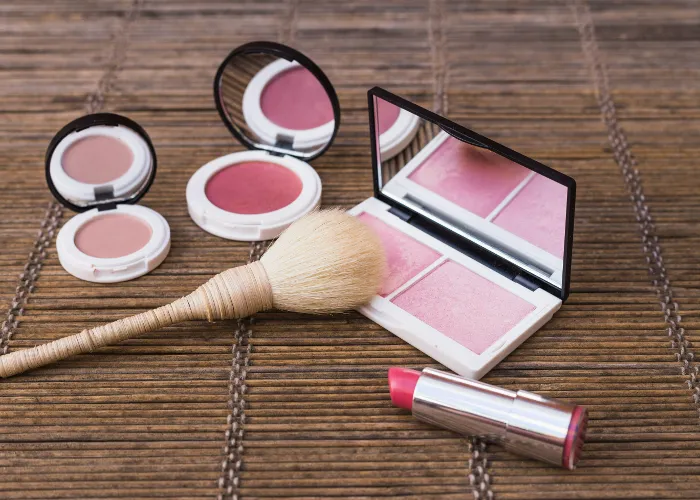
Cream blush often blends easily with fingertips or a soft brush and can leave a dewy or natural-looking finish. It may be appealing if your cheeks look dry or your makeup tends to catch on flaky areas. However, some creams contain fragrances, botanical ingredients, or other substances that may not suit your skin.
Consider cream blush if: You prefer a soft finish and want to blend color with minimal friction.
Liquid blush
Liquid blush can deliver a lightweight wash of color, and some formulas are highly pigmented. Start with a small amount: adding more is generally easier than removing excess product. Check how quickly the formula sets, because fast-drying products may require more blending than you find comfortable.
Consider liquid blush if: You enjoy a sheer, buildable look and have found a formula that does not sting or irritate.
Powder blush
Powder blush can be convenient for controlled application and may work well over other makeup. Finely milled powders applied with a soft brush can create a smooth finish, though some powder formulas may emphasize dry patches. Avoid pressing hard or repeatedly brushing over irritated skin.
Consider powder blush if: You prefer a lighter feel and a quick, gentle application with a clean brush.
How to Read a Blush Ingredient List
The ingredient list is more useful than broad promises on the front of the packaging. If you know you react to a particular ingredient, look for it before purchasing. Two formulas with similar packaging or finishes may have very different compositions.
A few practical points:
- Look for fragrance terms. Products may list fragrance or parfum. If fragrance is a trigger for you, consider avoiding products containing it.
- Be selective with botanical extracts. “Natural” does not automatically mean less irritating. Essential oils and plant extracts can cause reactions in some people.
- Do not assume all preservatives are harmful. Preservatives help protect many cosmetic products from contamination. What matters is whether you personally react to a particular ingredient.
- Be cautious with broad labels. Terms such as “clean,” “non-toxic,” and “hypoallergenic” do not guarantee that a blush will suit your skin.
- Check the entire formula. Even a product marketed for sensitive skin can contain an ingredient that does not agree with you.
How to Choose a Flattering Shade
Comfort comes first, but color matters too. A blush that blends naturally into your complexion can create a fresh look with less product.
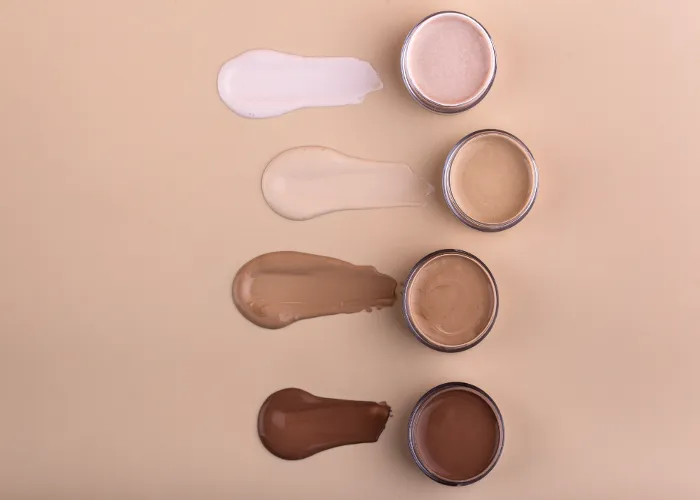
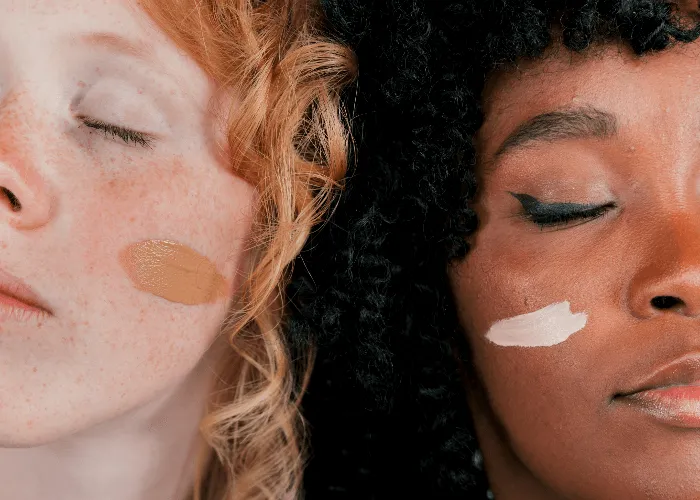
- Fair skin: Soft pink, muted rose, and light peach can be good starting points.
- Medium skin: Warm peach, rosy nude, and gentle coral can add natural-looking warmth.
- Deep skin: Rich berry, terracotta, and vivid rose can show up beautifully without needing heavy layering.
These are suggestions, not rules. Undertones, personal preference, and the finish of the blush can change how a shade looks. Whenever possible, test the shade in natural light while keeping hygiene in mind; avoid applying shared store testers directly to your face.
How to Test a New Blush Carefully
Before wearing a new blush across both cheeks, try a small amount on a limited area of skin and watch for a reaction. This kind of at-home trial can help you notice obvious irritation, but it cannot reliably rule out an allergy or replace professional patch testing.
If a product causes burning, itching, swelling, or a rash, stop using it. Seek medical advice for persistent or significant reactions. Do not apply makeup to skin that is actively inflamed, broken, or painful.
Gentle Blush Application Tips
Even a well-chosen blush can feel uncomfortable if it takes too much rubbing to blend. A simple, gentle routine can help:
- Start with comfortable skin. Apply blush after your usual moisturizer has settled, if you use one and tolerate it well.
- Use clean tools. Wash brushes and reusable sponges regularly, and let them dry fully.
- Apply a small amount first. Build color gradually instead of trying to blend away a heavy first layer.
- Tap or sweep lightly. Avoid aggressive buffing, especially over areas that are already red or tender.
- Remove makeup gently. Use a remover you tolerate and avoid excessive scrubbing at the end of the day.
If your skin becomes irritated while applying makeup, stop rather than trying to cover the reaction with more product.
Mistakes to Avoid When Shopping for Blush
Choosing by the “sensitive skin” label alone: Read the ingredient list, even when the product is marketed as gentle.
Assuming natural ingredients are always safer: Plant-derived ingredients can still trigger sensitivity.
Buying a highly pigmented formula without considering blending: A product that requires lots of rubbing may be frustrating on reactive skin.
Using unclean brushes or old makeup: Keep tools clean, follow product storage guidance, and discard makeup if its appearance, smell, or texture changes unexpectedly.
Continuing to use a product after a reaction: Discomfort is a reason to stop, not something you need to push through.
Conclusion
The best blush for sensitive skin is one that provides the color and finish you enjoy without causing discomfort. Begin with ingredients you know you tolerate, choose a texture that blends easily, and use a light touch during application and removal.
A little trial and careful label reading can help you find a blush that fits both your makeup style and your skin’s needs. If reactions keep recurring, professional guidance is more useful than continuing to experiment with products that irritate your skin.
🗨️ Reader Comments